
Western Spadefoot Receives CESA Candidate Status:
What California Project Proponents Need to Know
What Changed?
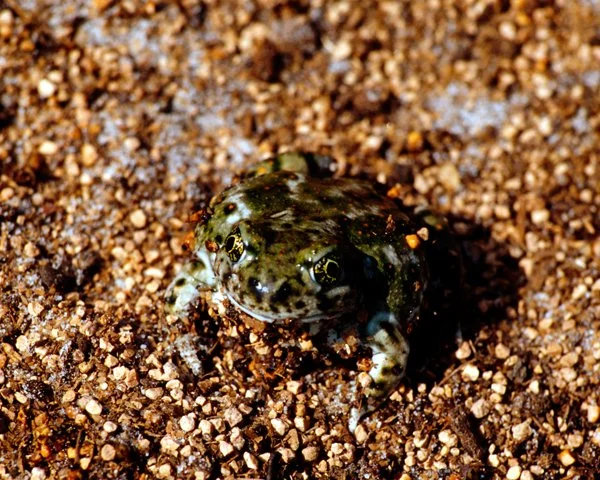
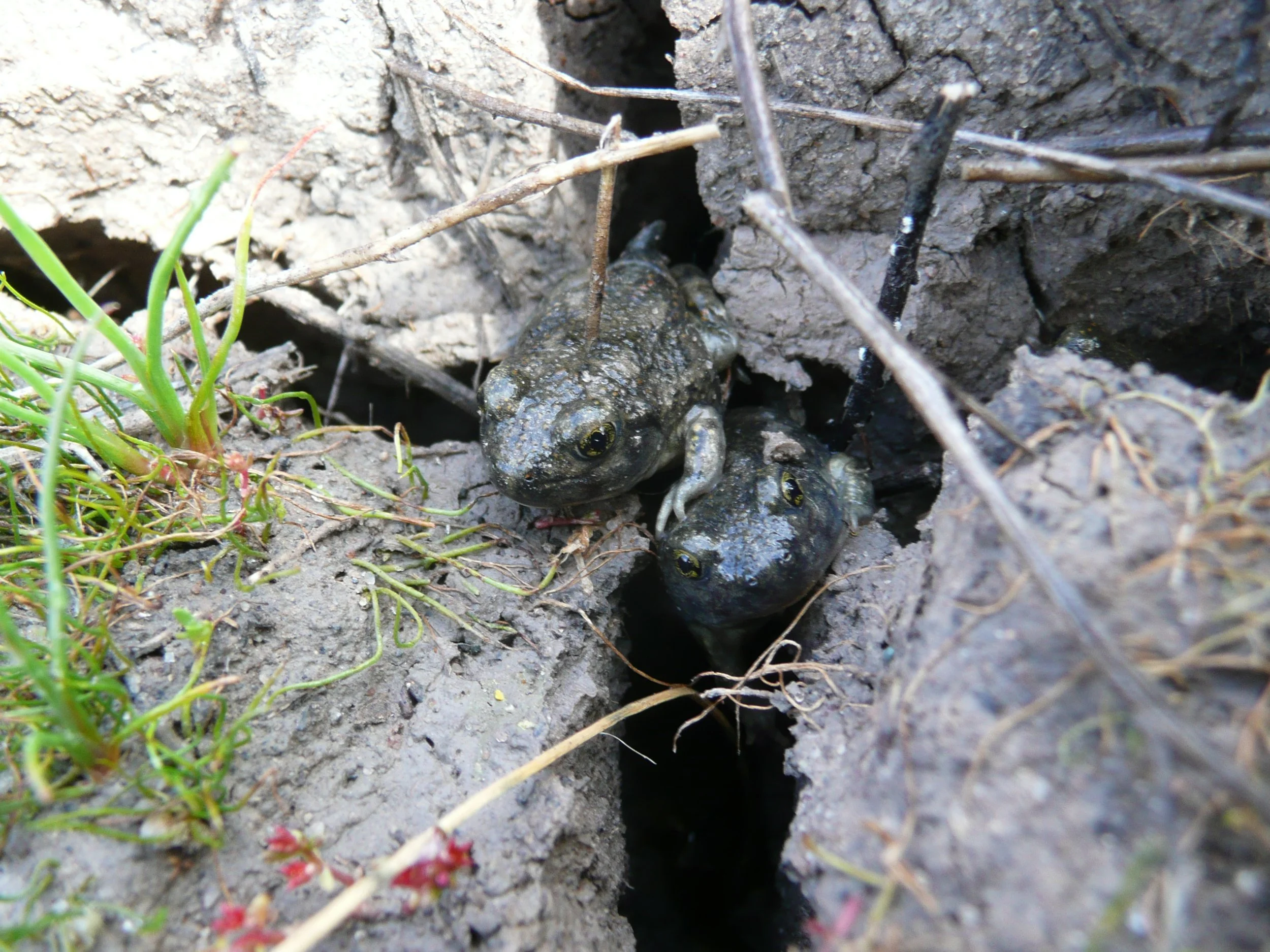
On August 13, 2026, the California Fish and Game Commission accepted a petition to consider the western spadefoot toad (Spea hammondii) for listing as a threatened or endangered species under the California Endangered Species Act (CESA).
As a result, the species received candidate status and protections similar to listed species while the California Department of Fish and Wildlife (CDFW) conducts a formal status review.
Why Does this Matter for Projects?
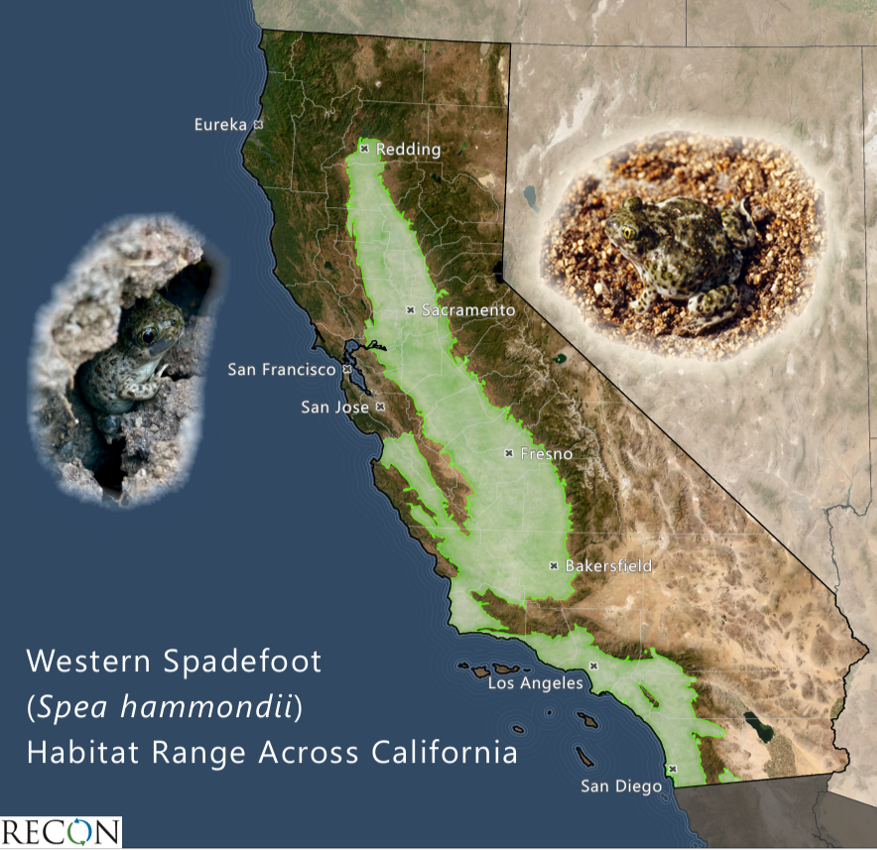
For projects within western spadefoot range, now is an important time to evaluate potential biological constraints before permitting, final design, or construction activities begin.
Because candidate species receive protections under CESA, projects that may affect western spadefoot or its habitat could require additional surveys, permitting, mitigation, and agency coordination.
Could This Affect My Project?
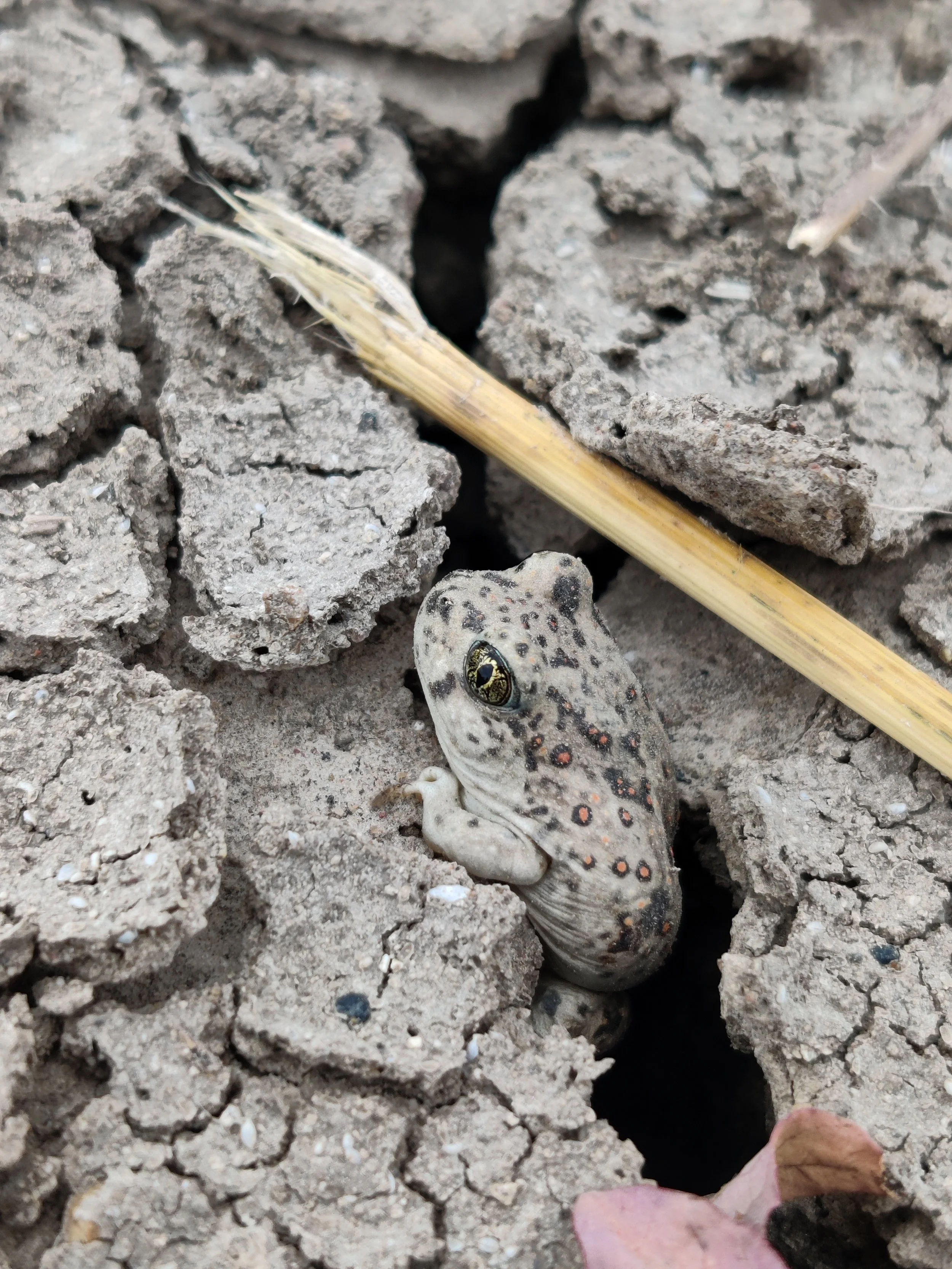
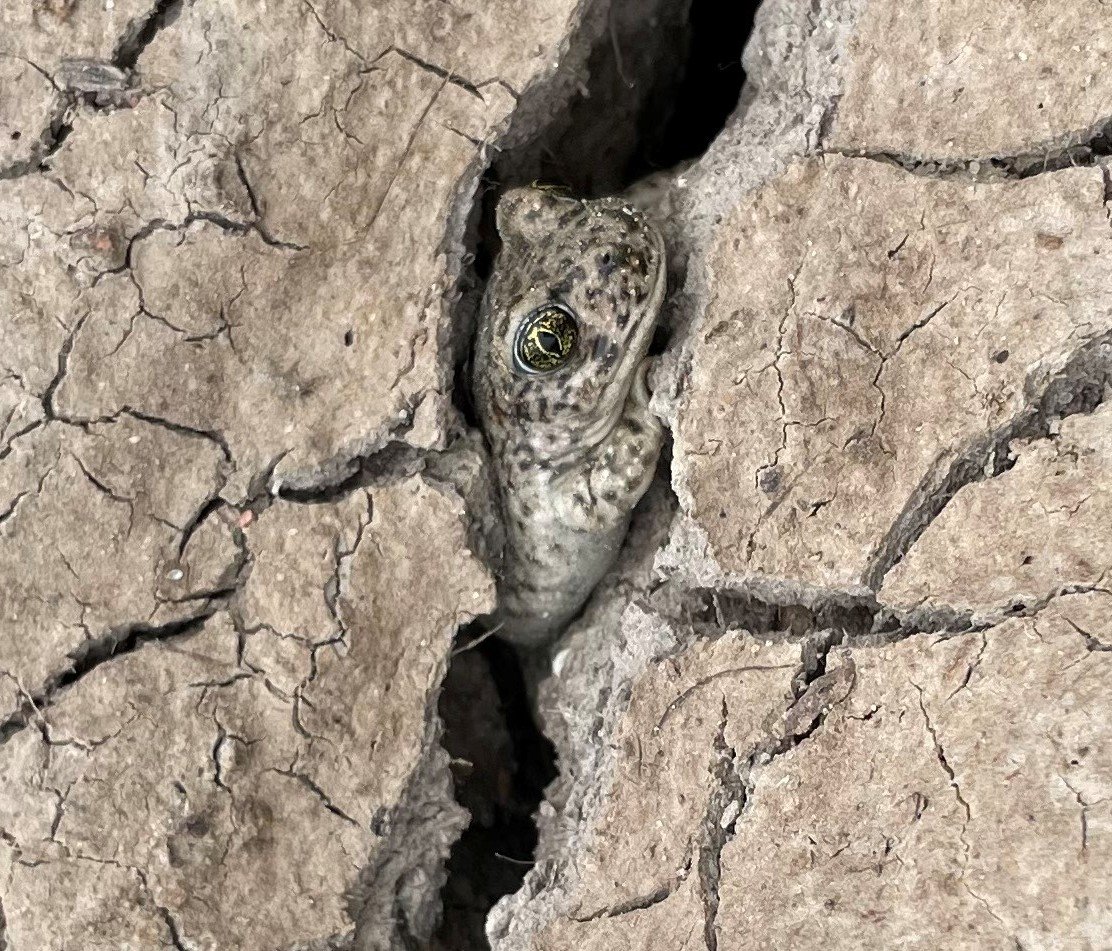
The western spadefoot occurs in California in areas with seasonal wetlands, such as vernal pools, and the surrounding upland habitats.
If your project is located within the species' range, consider the following questions:
Does the project area contain suitable western spadefoot habitat or known occurrences?
Does an approved Habitat Conservation Plan (HCP) or Natural Community Conservation Plan (NCCP) provide coverage for the species?
Could project activities affect western spadefoot individuals or habitat?
Potential Project Implications
The western spadefoot’s candidacy may result in additional project requirements, including:
Habitat assessments and focused surveys
Coordination with CDFW during project review
Avoidance and minimization measures
Compensatory mitigation requirements
Additional permitting and scheduling considerations
Projects located within approved HCP or NCCP areas may already have a framework in place to address impacts to western spadefoot. However, projects outside of these planning areas may require additional evaluation and coordination to ensure compliance with CESA.
What Should Project Proponents Do Now?
Project proponents should evaluate whether western spadefoot or suitable habitat may occur within the project area and determine whether existing HCP or NCCP coverage applies.
Identifying potential constraints early can help reduce permitting risk, avoid project delays, and inform project design before significant resources are invested.
How RECON Can Help
RECON's biologists have extensive experience conducting habitat assessments, focused surveys, regulatory permitting, compliance monitoring, and mitigation planning throughout California.
Our team can help evaluate how the western spadefoot’s candidacy may affect your project and develop a strategy to support regulatory compliance and project implementation.