
UCSD Ecological
Reserve Management
-
Focus
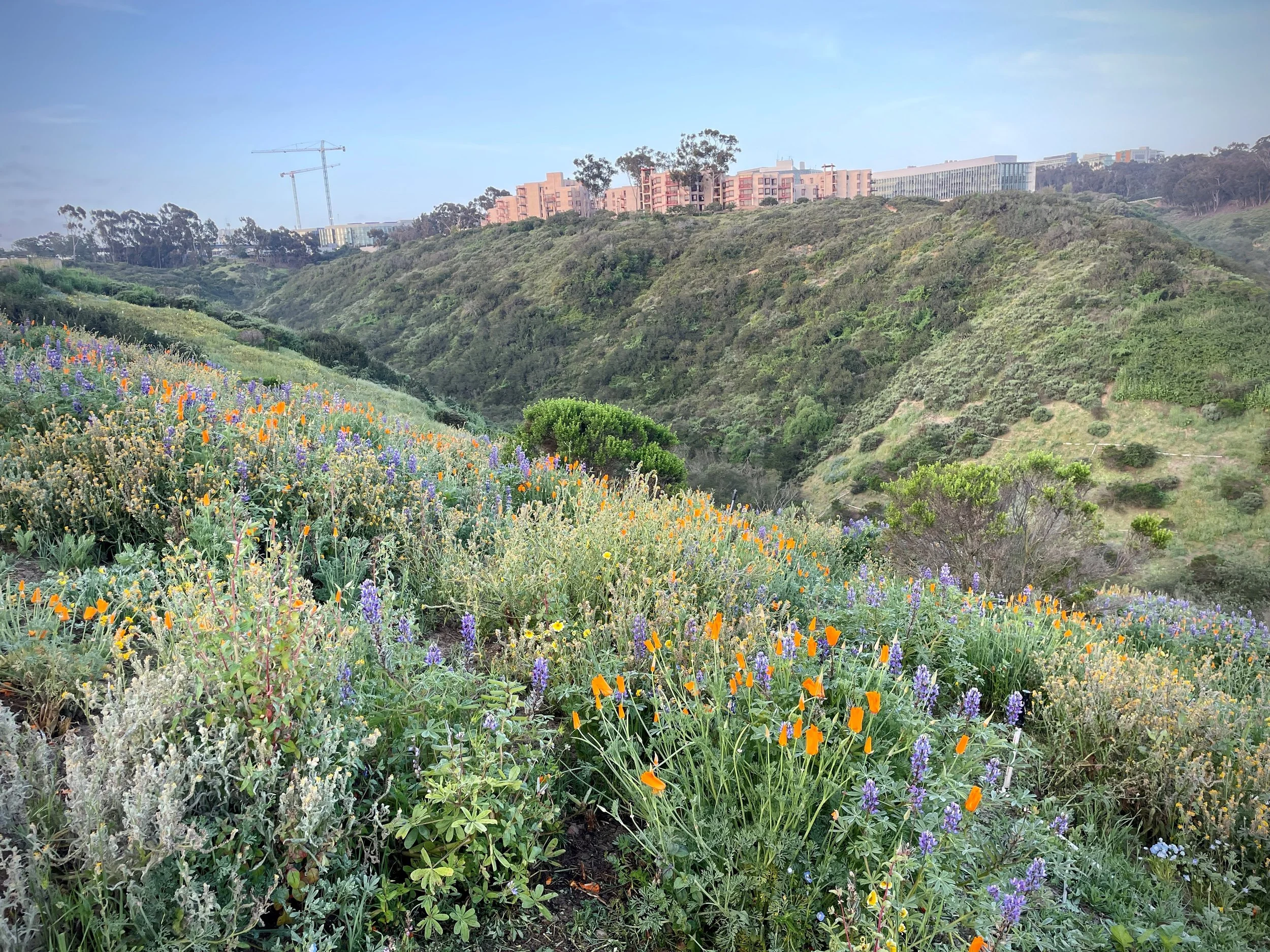
Open space monitoring and maintenance
-
Where
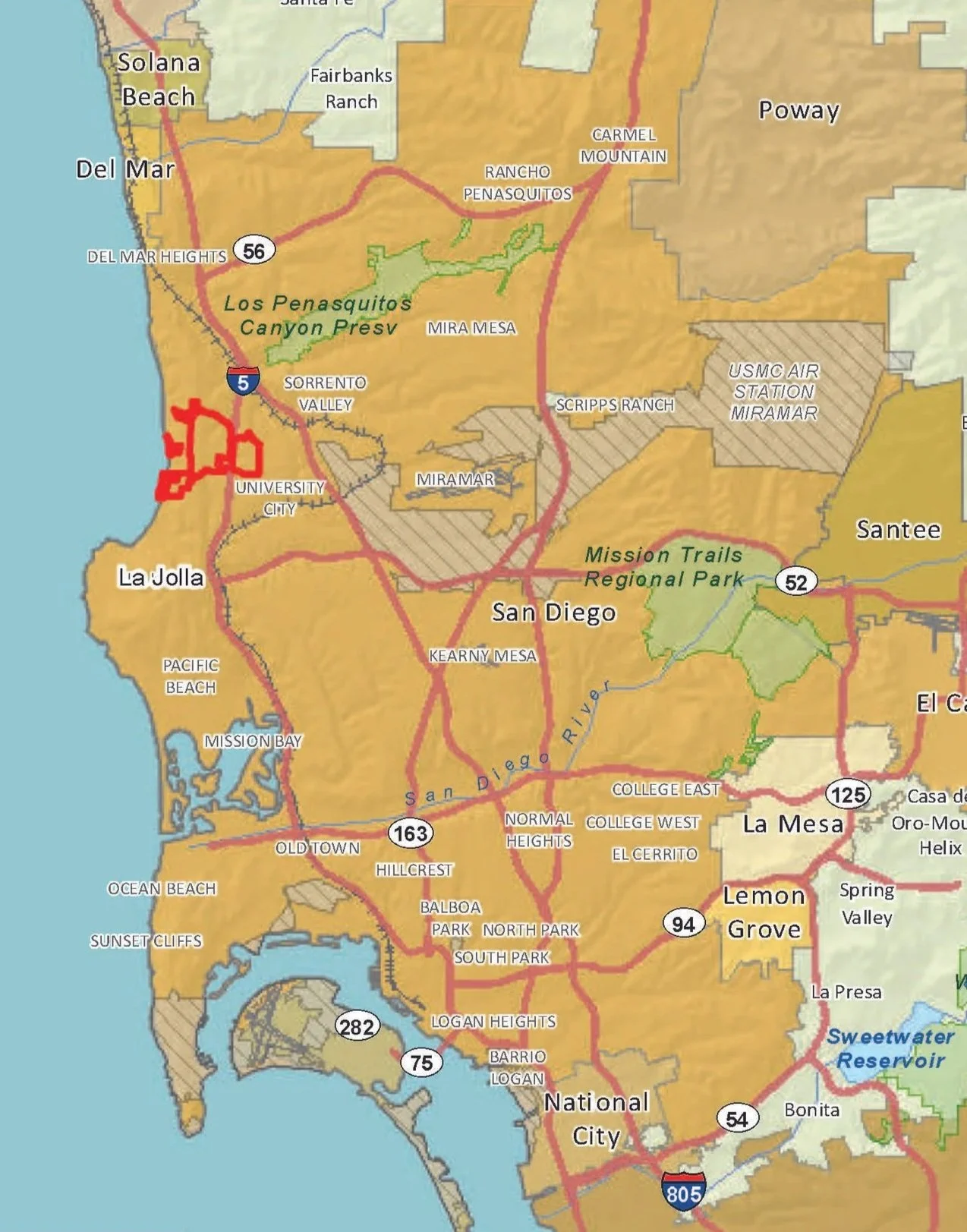
University of California San Diego, CA
-
Habitat Type
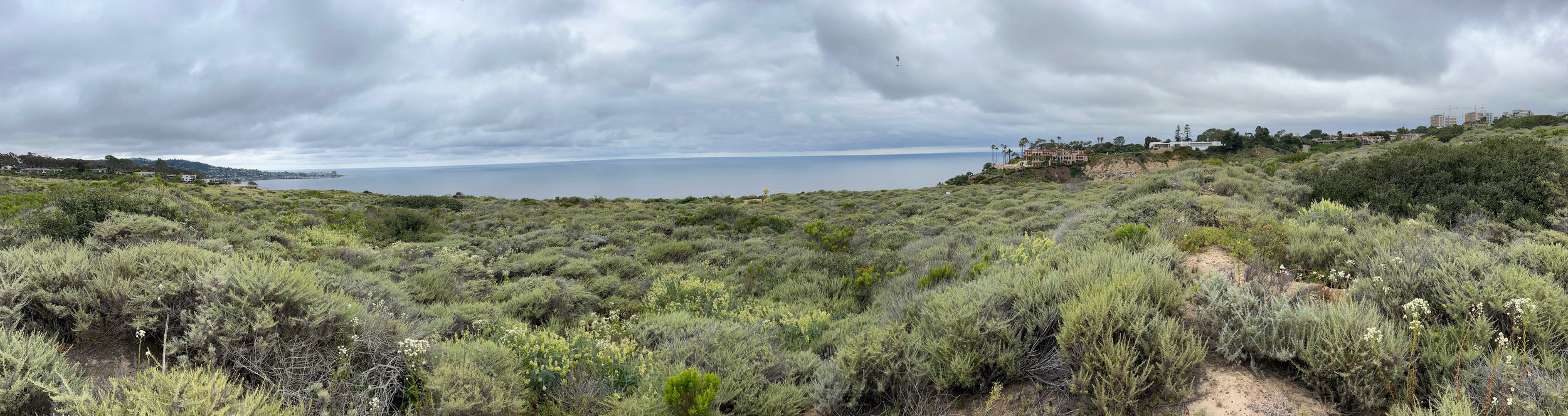
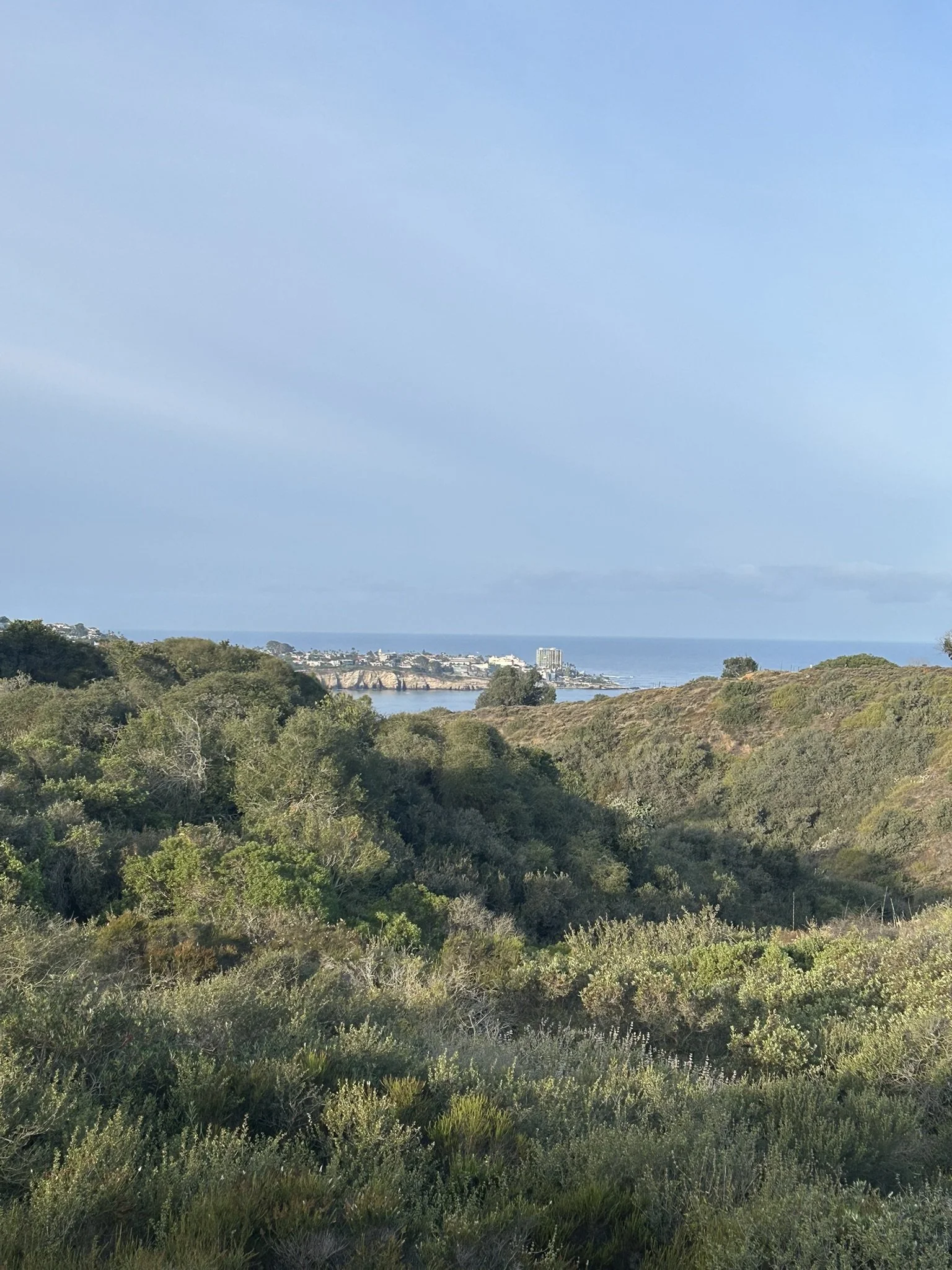
A variety of habitat types are present throughout, including southern willow scrub, mule fat scrub, herbaceous wetland, native grassland, maritime succulent scrub, southern maritime chaparral, southern coastal bluff scrub, Diegan coastal sage scrub, southern mixed chaparral, chaparral/eucalyptus woodland ecotone, and non-native grassland.
-
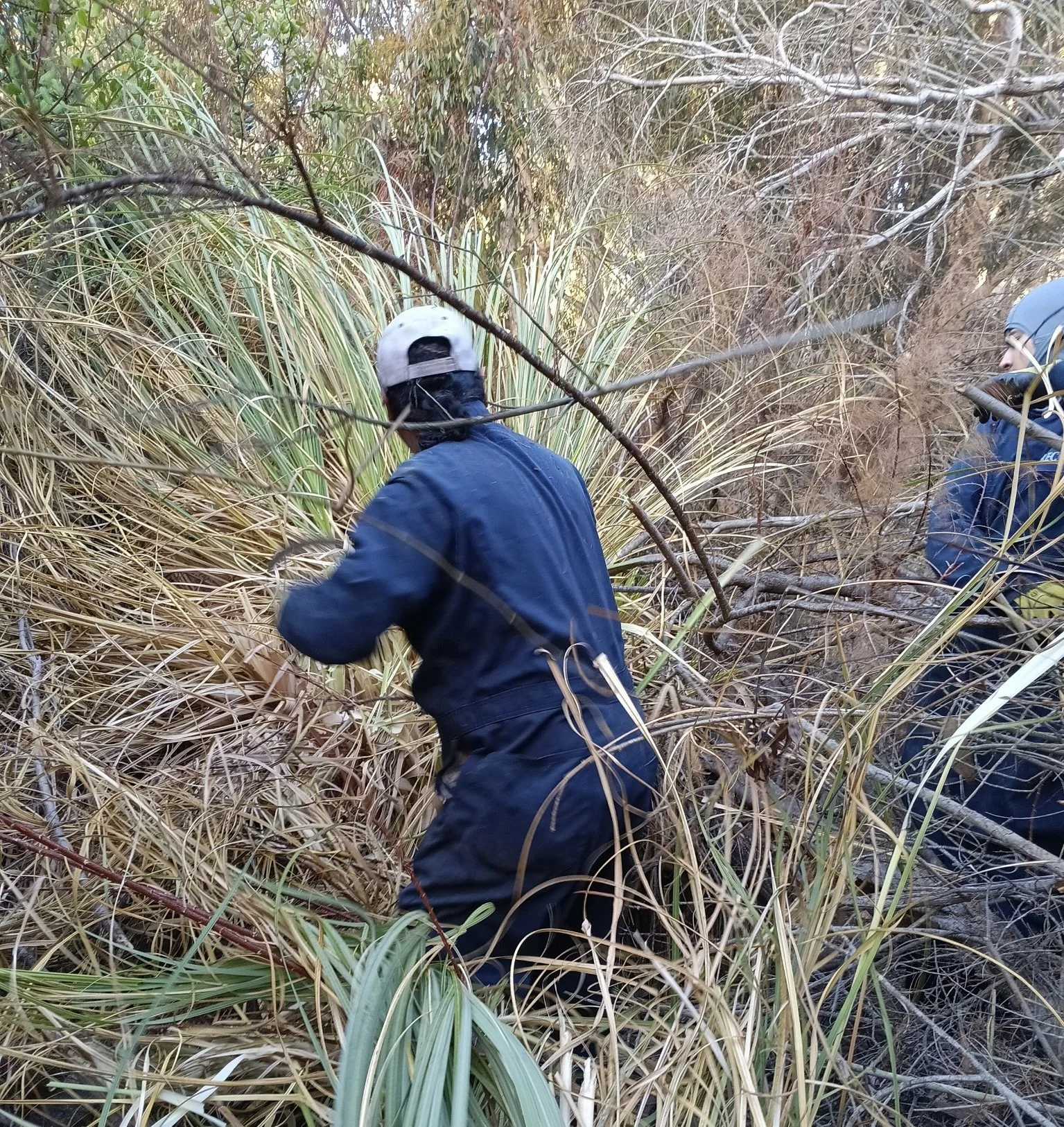
Implementation
RECON has completed various projects, in addition to regular ongoing maintenance throughout the reserve. Implementation has included giant reed removal, native plant installation, erosion control, and non-native brush abatement
-
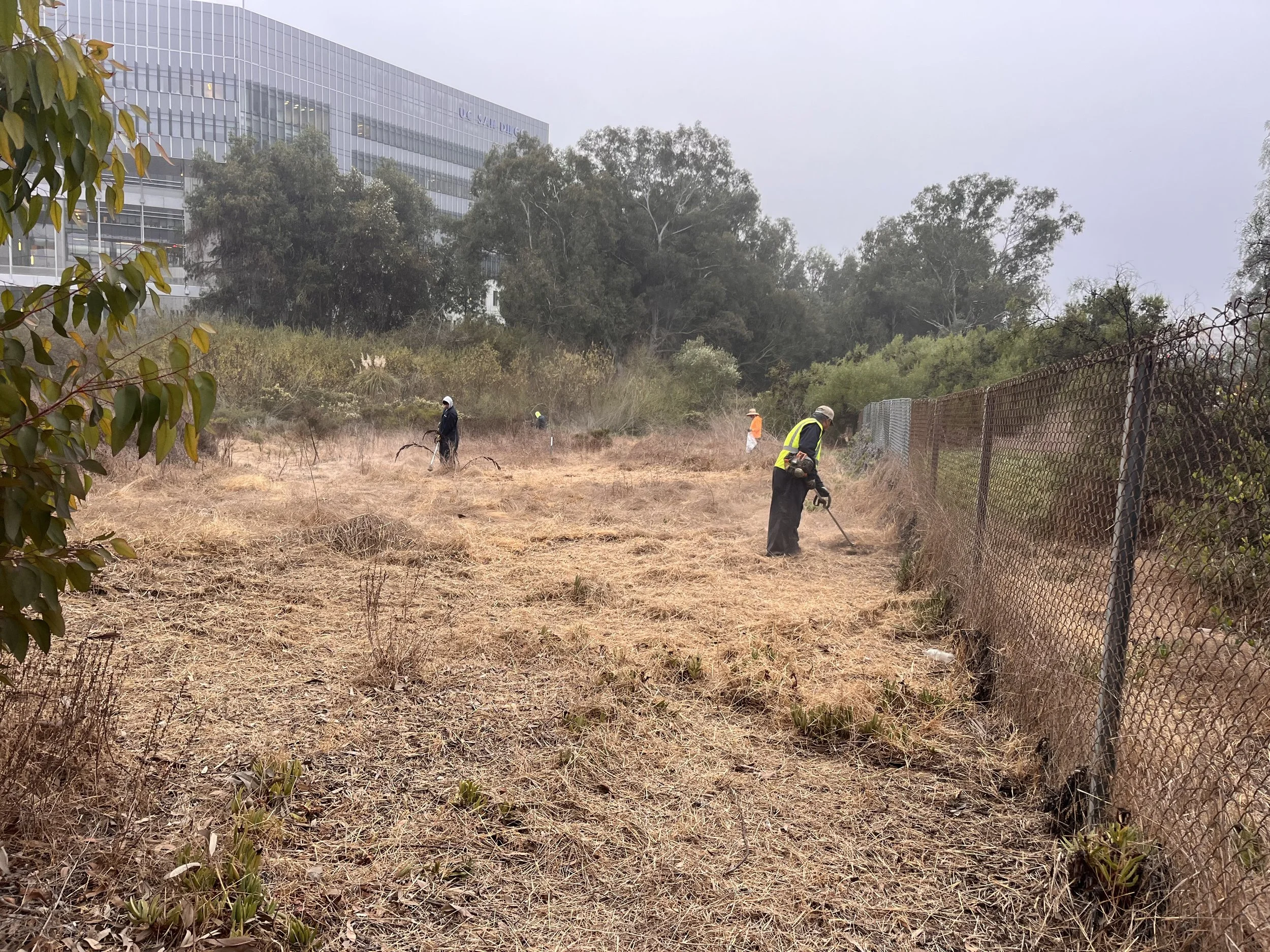
Maintenance
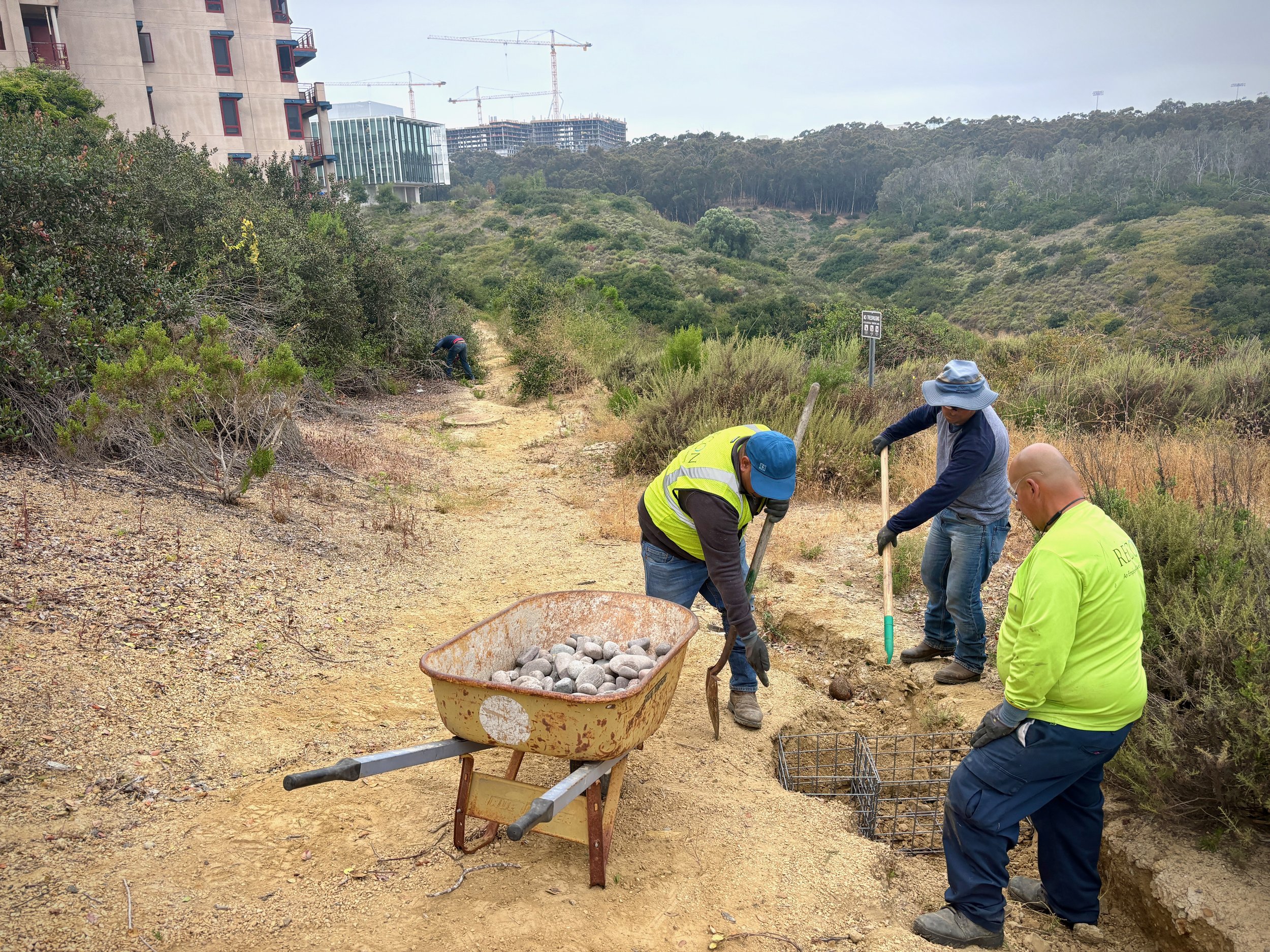
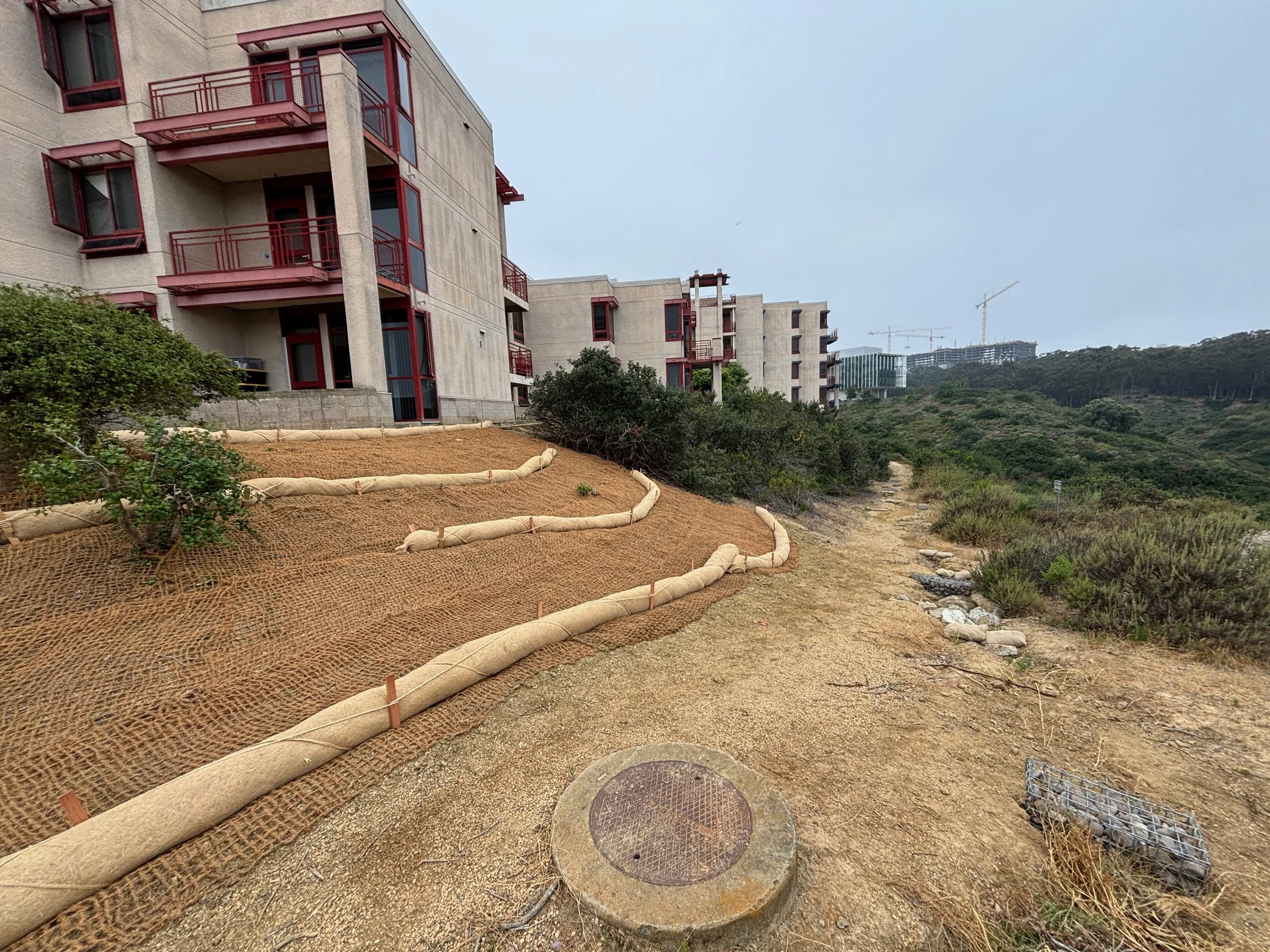
Ongoing habitat maintenance occurs throughout the ecological reserve, focusing on non-native control, erosion control, access control and barrier/sign maintenance, and trash and debris removal
-
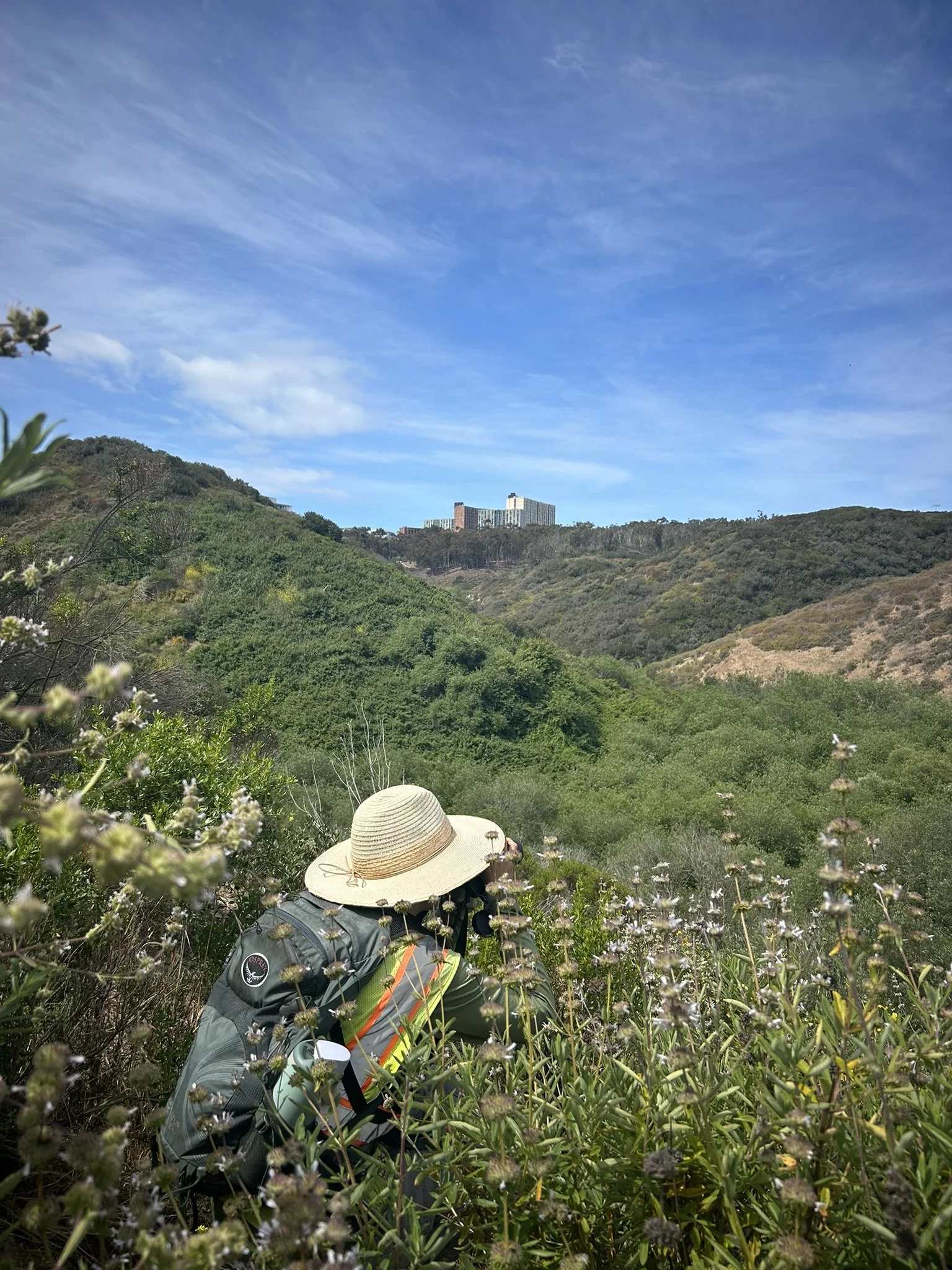
Monitoring
Biannual qualitative site assessments, sensitive plant and wildlife surveys, vegetation mapping
As the maintenance and monitoring contractor for the UC San Diego Ecological Reserve, RECON provides annual, implementation-focused maintenance recommendations for campus open space areas. RECON coordinates closely with UC San Diego Campus Planning to establish an annual management approach that prioritizes non-native species control, trash and debris removal, erosion control, deterrence of unauthorized use.
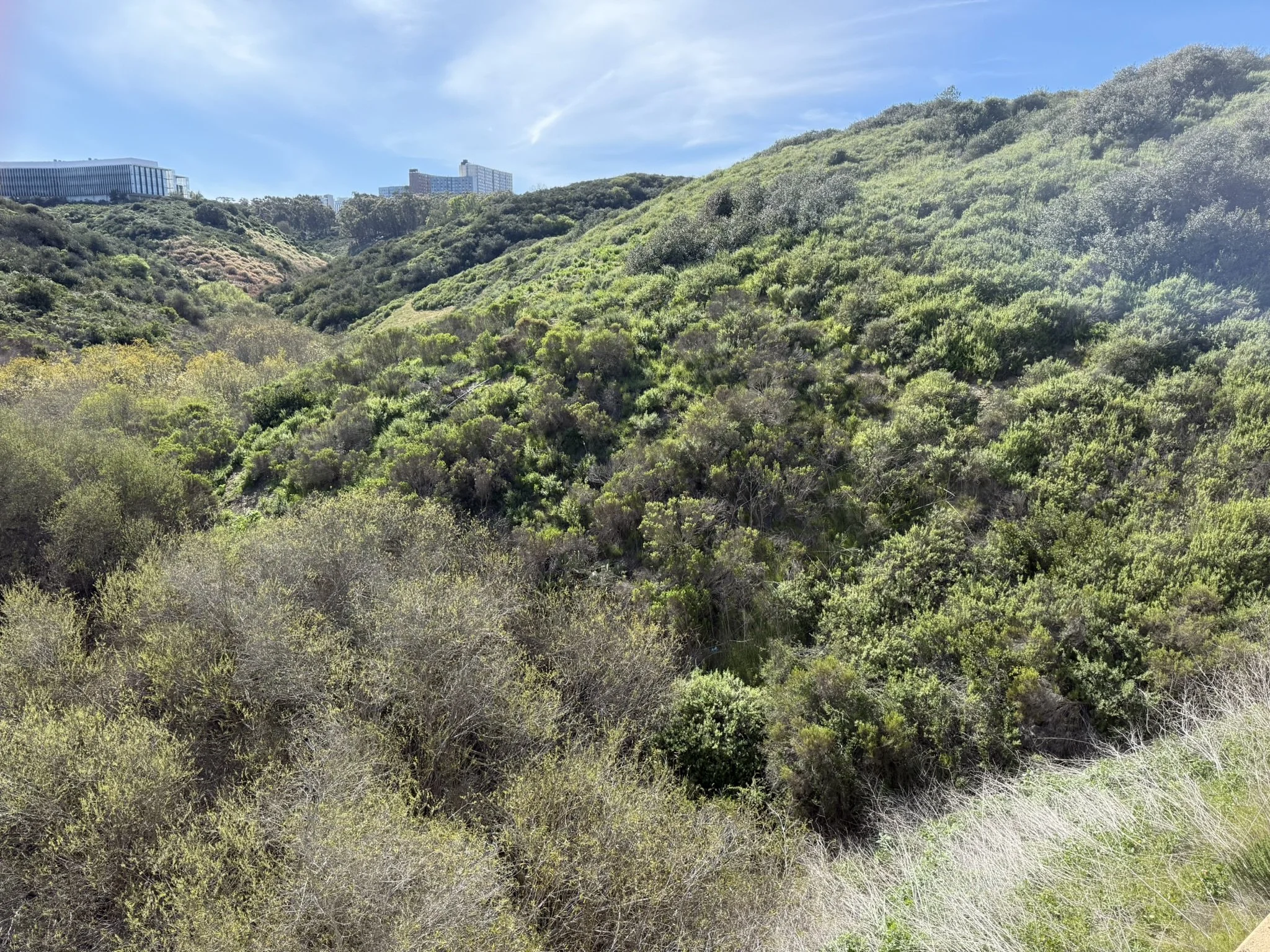
Starting in the fall of 2022, RECON implemented a large-scale giant reed (Arundo donax) removal effort in East Campus, removing approximately one-quarter acre of this invasive species from riparian habitat and improving long-term habitat function. Additionally, RECON has provided recommendations for areas that may benefit from restoration activities, such as container plant installation. In 2023, RECON installed around 3,000 native container plants within West Campus to stabilize soils, address potential erosion concerns, and reduce the opportunity for non-native species establishment.
For locations requiring broader intervention, RECON collaborates with Campus Planning to prepare site-specific restoration plans that provide greater ecological and management benefits. In 2023, RECON developed the Hidden Swing Restoration Plan for the Scripps Institution of Oceanography parcel, focusing on erosion control and limiting unauthorized access to protect sensitive areas.
Across these efforts, RECON has applied a reserve-wide perspective to open space management, establishing long-term goals and linking specific maintenance and restoration actions to measurable improvements in habitat condition, erosion risk reduction, and ongoing management efficiency.
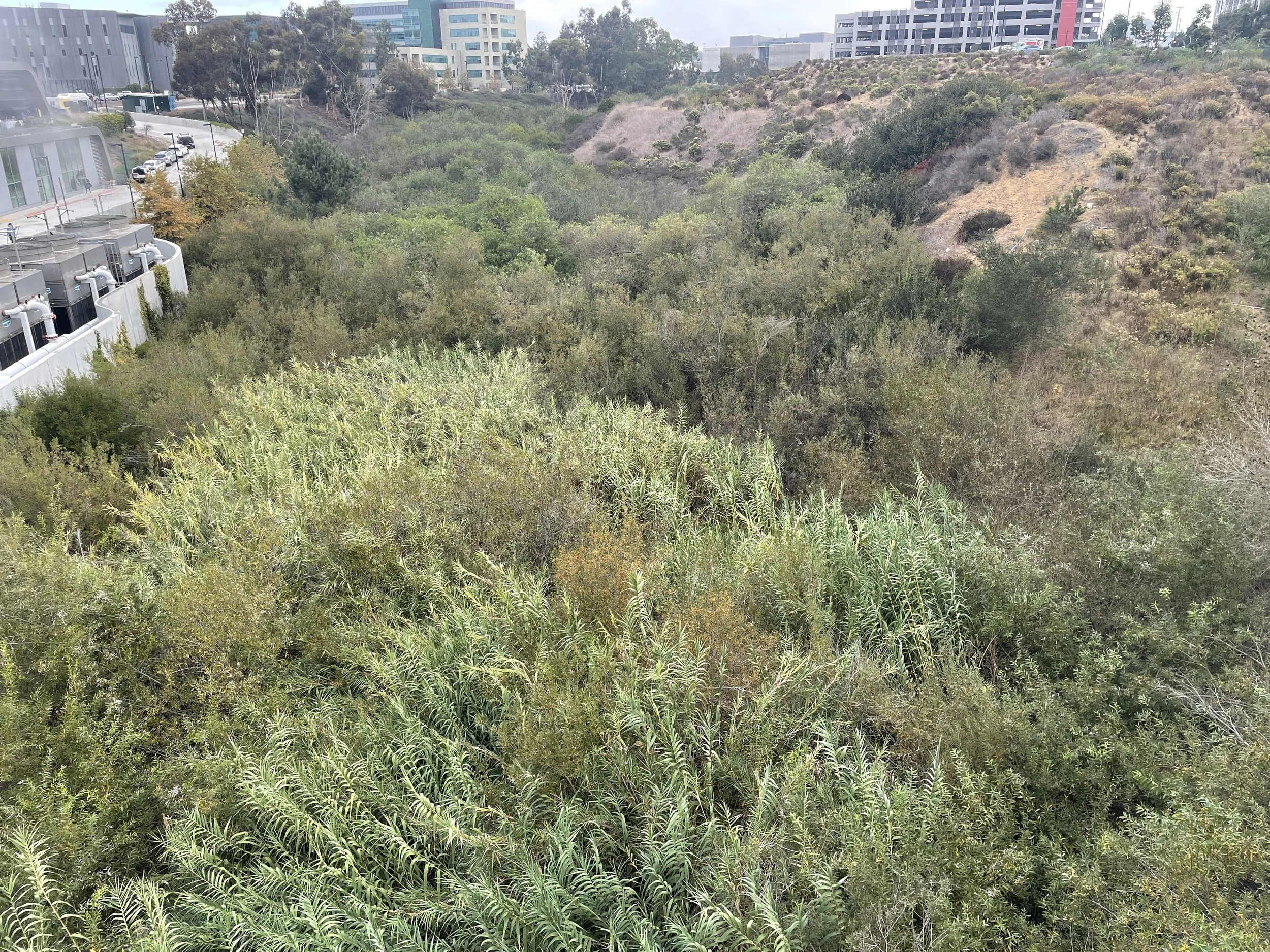
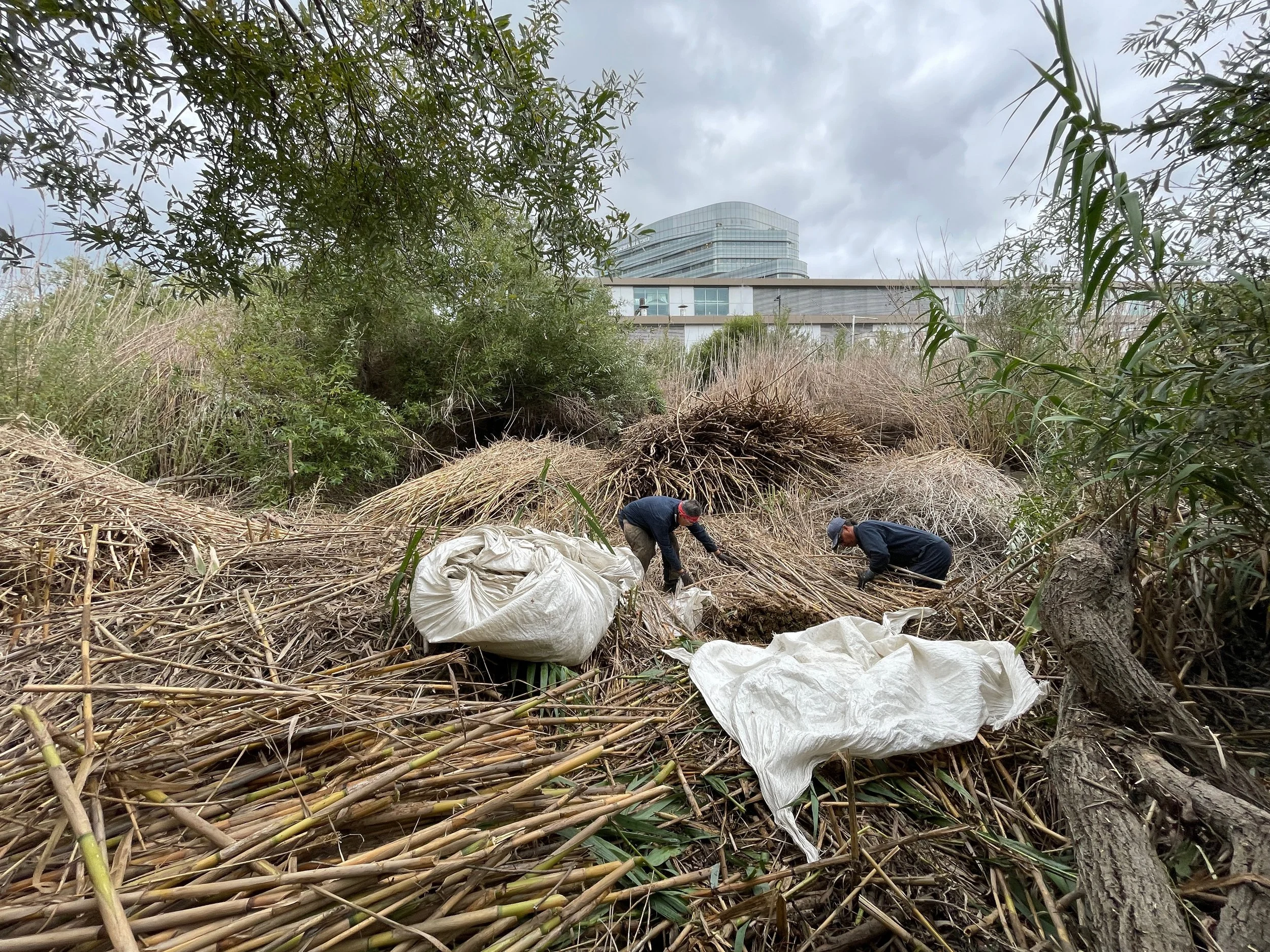
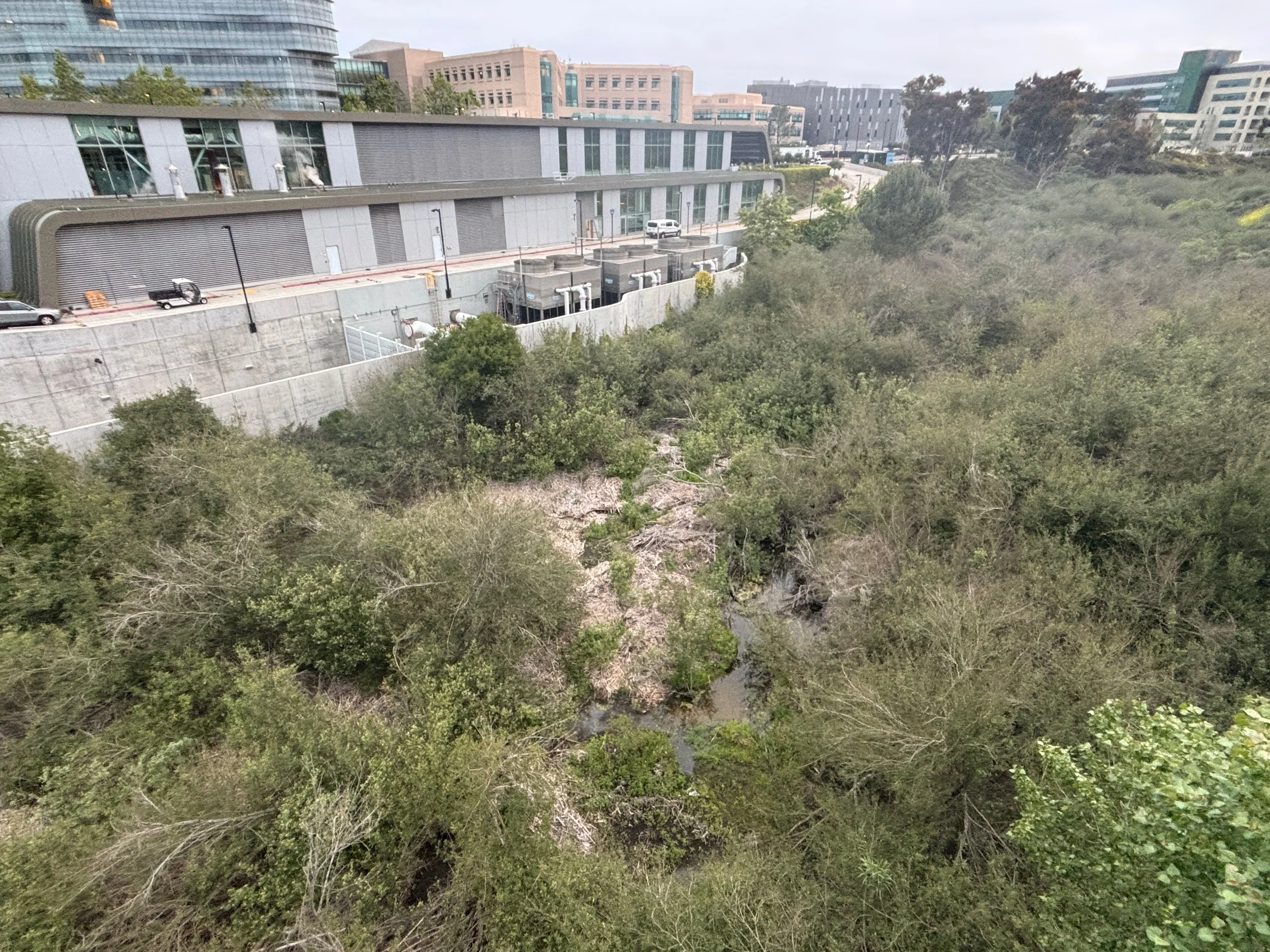
East Campus, Central Canyon Giant Reed Removal
In 2024, a giant reed removal effort was completed. Giant reed is a non-native species that can easily out-compete native species. A total of 300 willow (Salix spp.) cuttings were installed in its place. Ongoing maintenance is continuing through 2026 to ensure the continued success of this restored southern willow scrub habitat, which is essential for various sensitive species, such as least Bell's vireo (Vireo bellii pusillus).
-
![]()
View of project site before giant reed treatment
-
![]()
RECON restoration crew removing treated giant reed
-
![]()
View of project site after giant reed treatment and removal
Scripps Institution of Oceanography, South Canyon Erosion Control
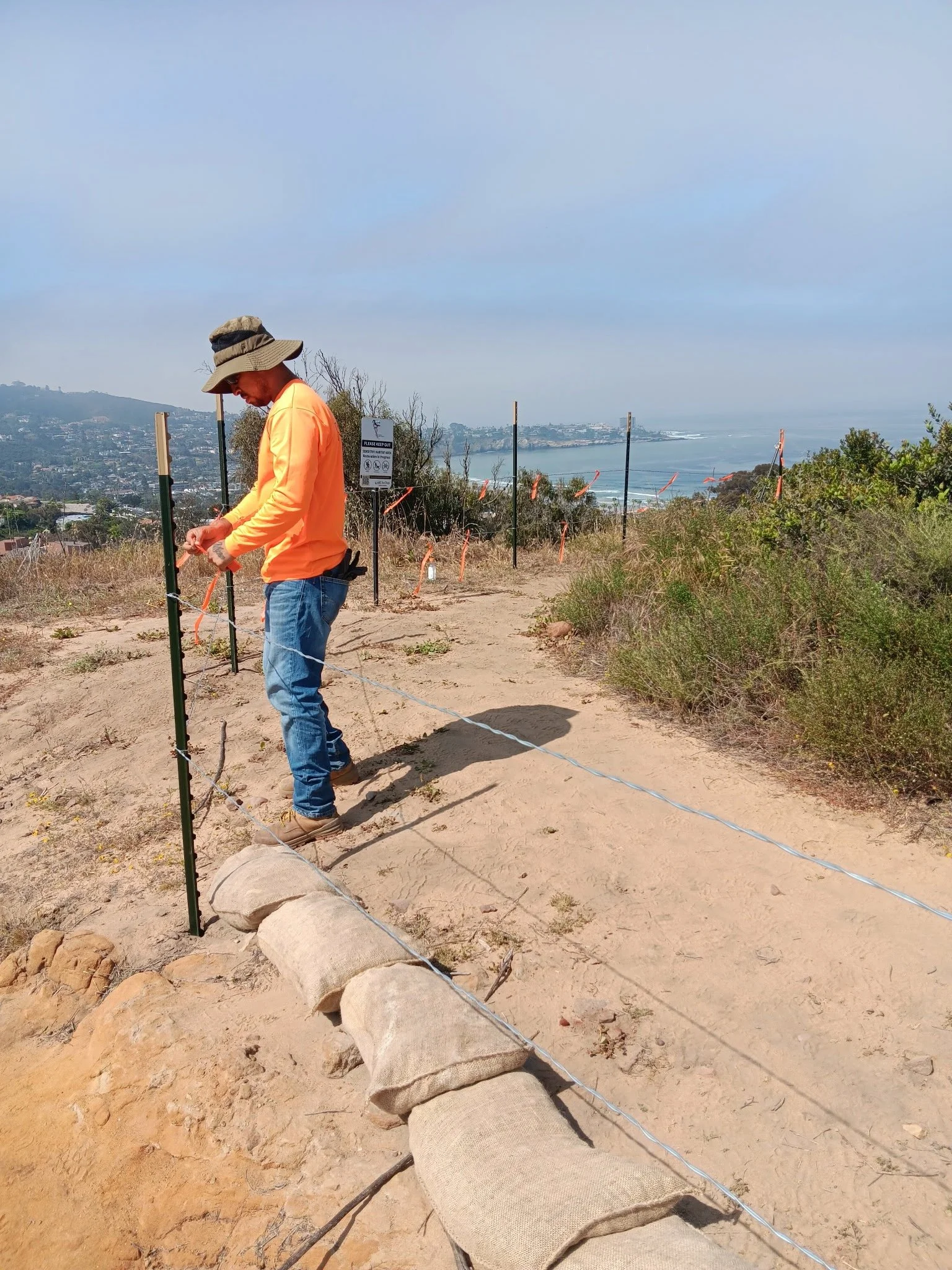
UC San Diego Campus Planning is currently pursuing a Coastal Development Permit to begin a restoration project along a trail accessible from the Birch Aquarium parking lot. The project will install native plants, trail barriers, signage, and erosion control measures to aid in the long-term success of native habitat while maintaining public access to the existing trail and coastal viewing area. Installation is anticipated to begin fall 2026.
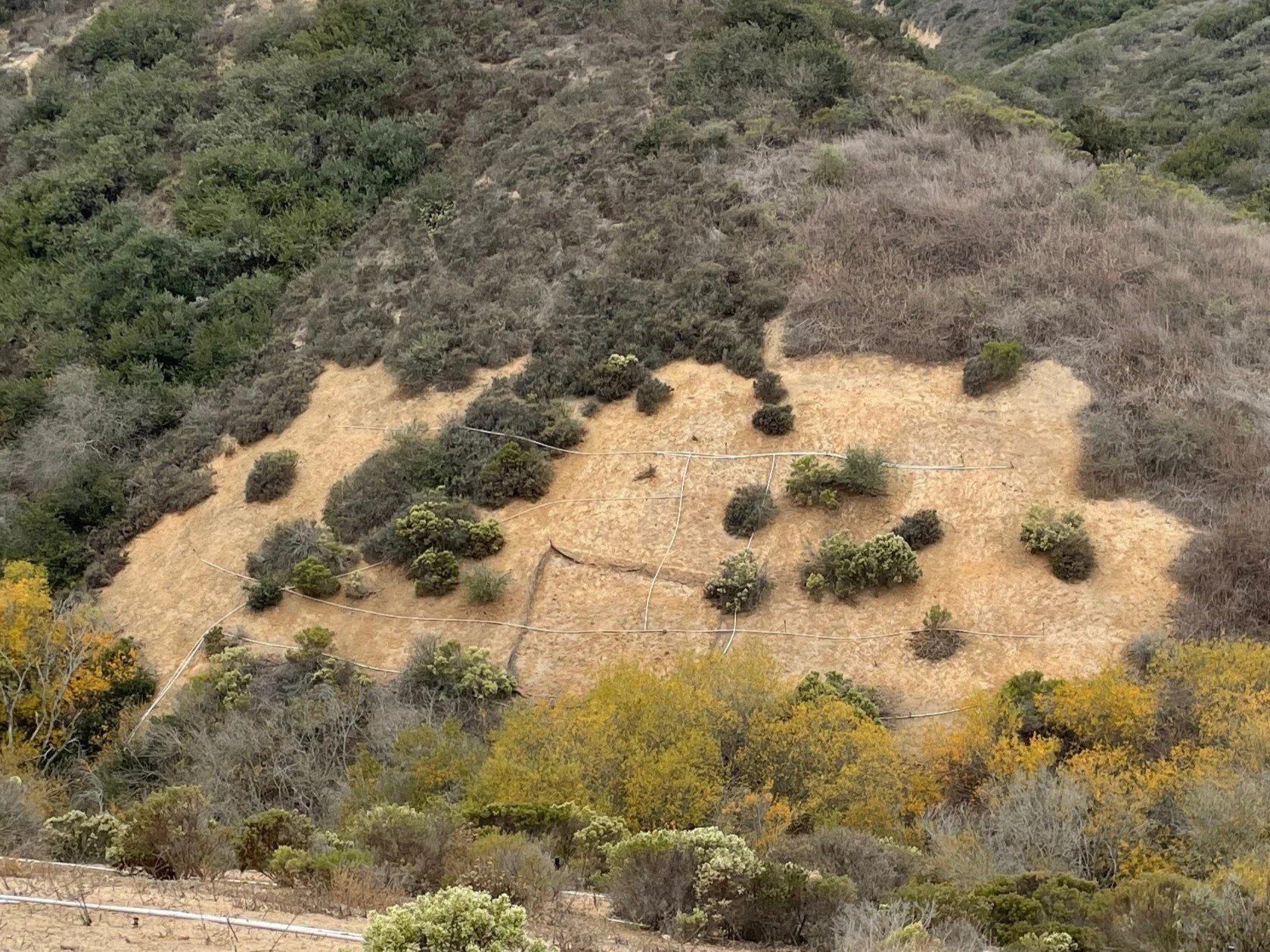
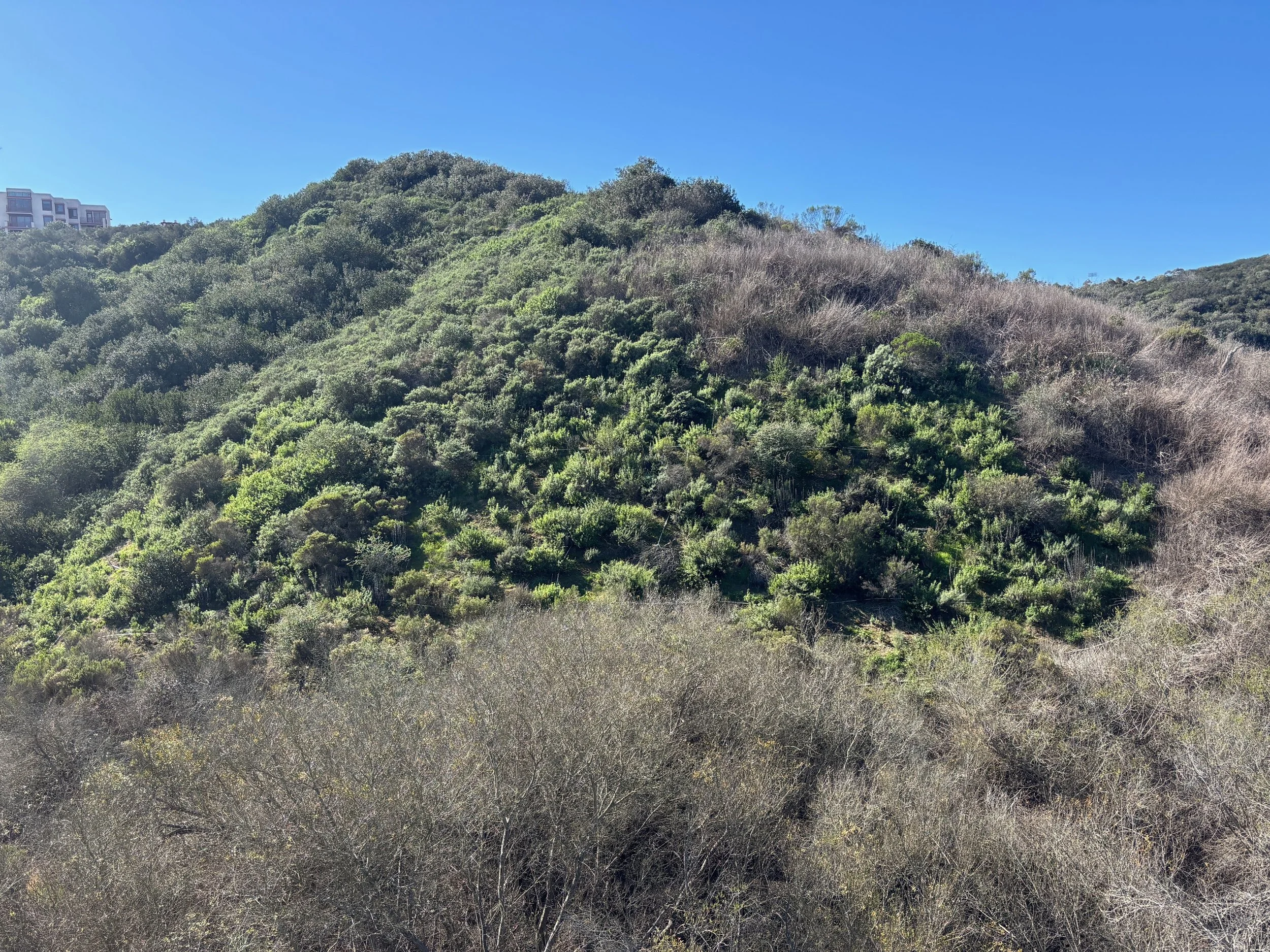
West Campus Native Plant Installation
Around 3,000 native plants were installed in West Campus, within Campus Services Canyon, south of Genesee Avenue, in 2023. Currently, three mitigation sites within West Campus have open space that fills in with annual native species once or twice a year. This planting effort and ongoing maintenance will fill in the open space within the slopes and increase shrub coverage and habitat for wildlife, such as the coastal California gnatcatcher, as well as native pollinators. Additionally, erosion control measures have been installed adjacent to Harlan Hall to repair severe erosion within the trail that surrounds the Ecological Reserve.
-
![]()
Before
-
![]()
After
Non-Native Brush Abatement Project Throughout the Ecological Reserve
A targeted effort to remove non-native vegetation and dead vegetation material in urban-wildland interface areas was completed in late 2025 and early 2026. The project reduced wildfire fuel load while benefiting native habitat through the clearing of invasive species. Approximately 200 cubic yards of non-native vegetation material were removed.
Maintenance
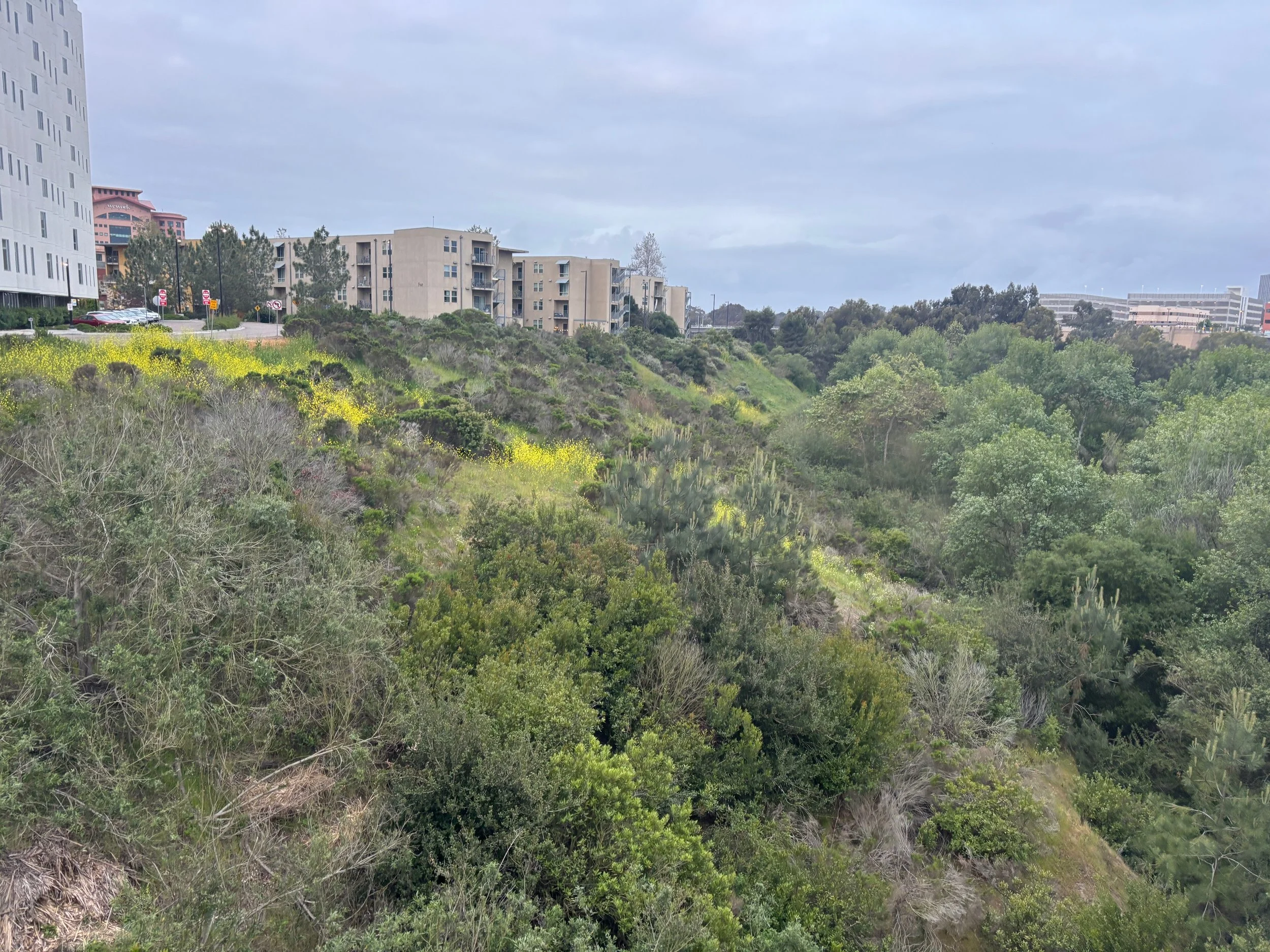
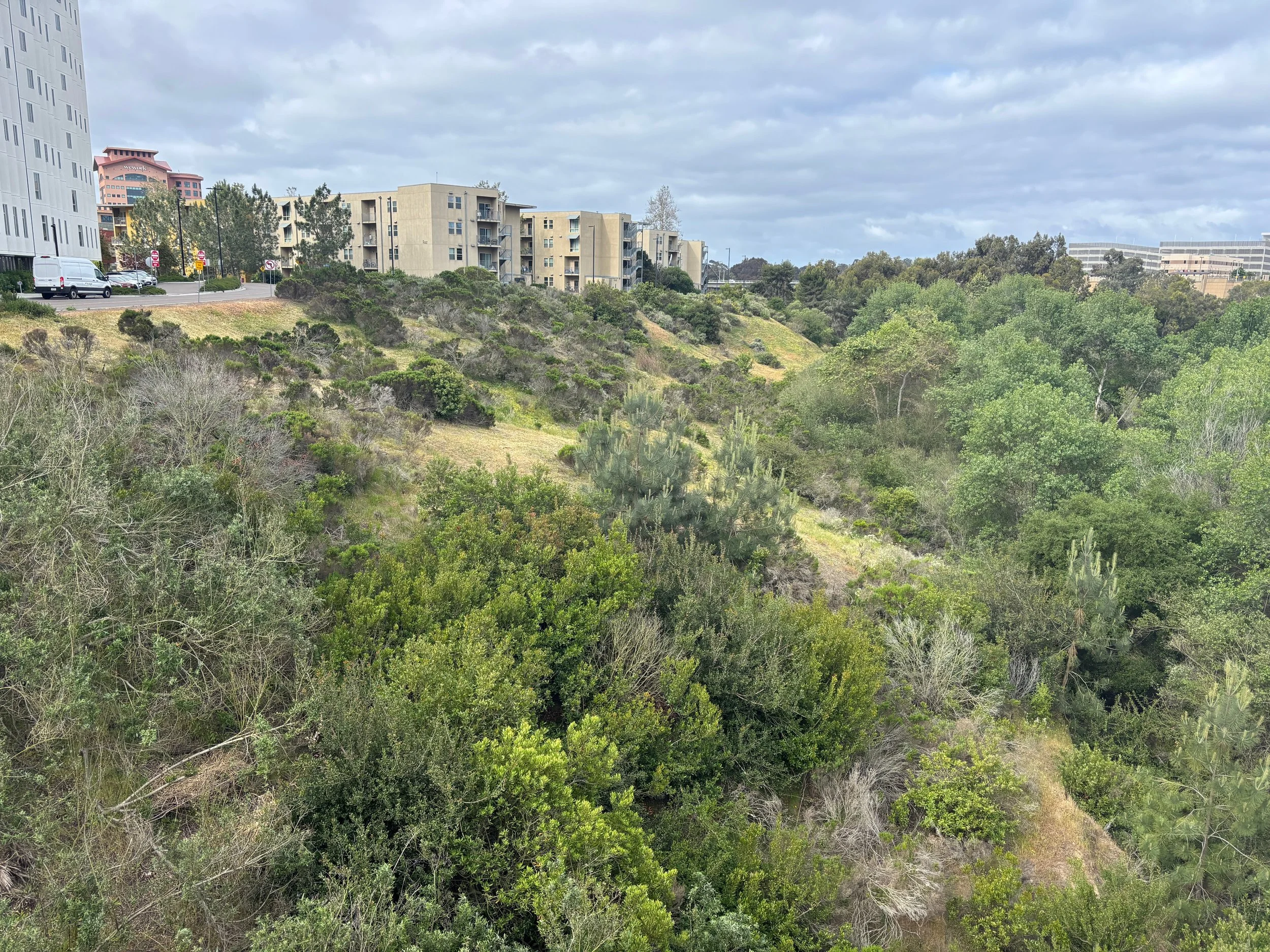
Ongoing habitat maintenance occurs throughout the ecological reserve, focusing on non-native control, erosion control, access control and barrier/sign maintenance, and trash and debris removal.
-
![]()
Non-Native Control (Before)
-
![]()
Non-Native Control (After)
-
![]()
Erosion Control (In Progress)
-
![]()
Erosion Control (Completed)
Monitoring
Two qualitative site assessments are conducted annually to evaluate the ecological health of the reserve and provide ongoing management recommendations. Additionally, sensitive plant and wildlife surveys are performed as needed in accordance with the Habitat Management Plan.
RECON has conducted rare plant surveys, coastal California gnatcatcher surveys, and updated vegetation mapping for the entire ecological reserve.